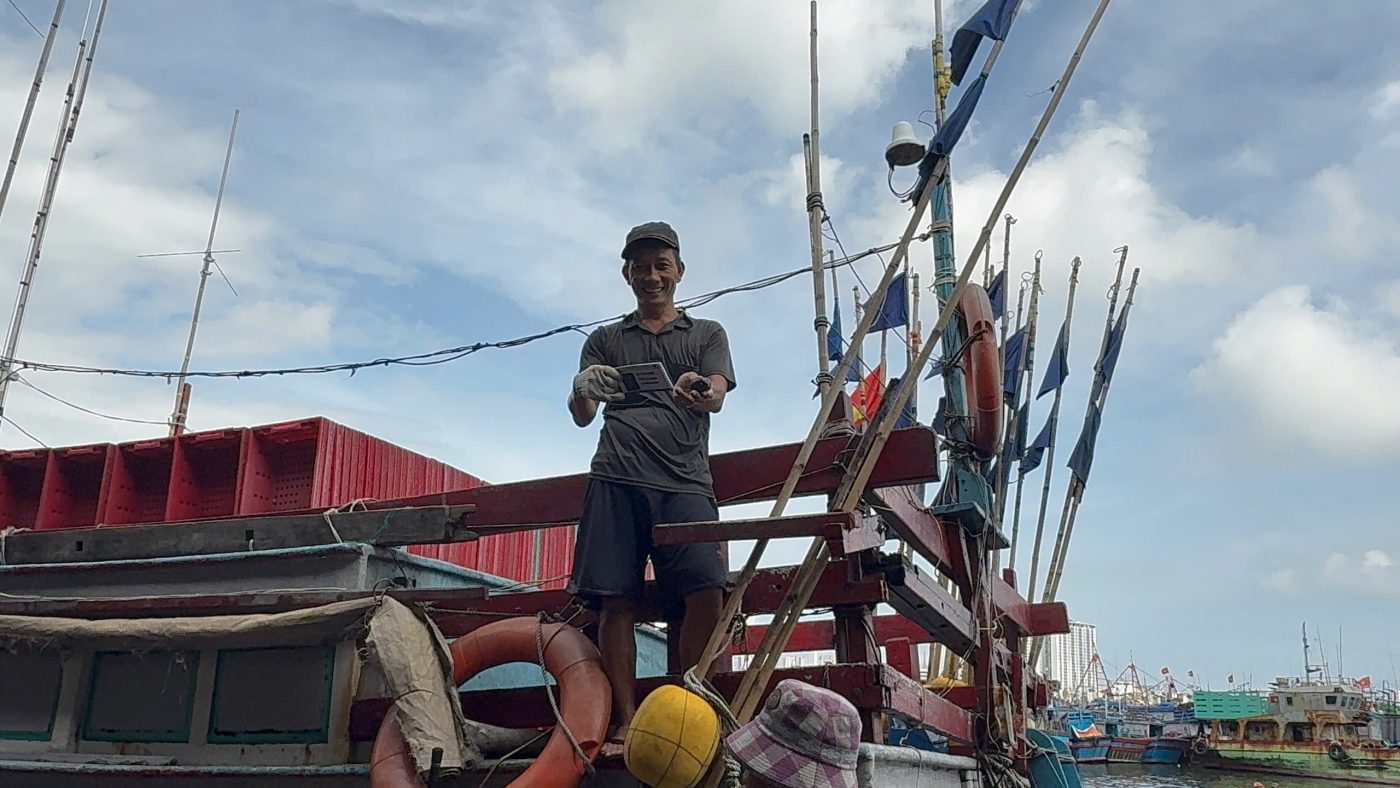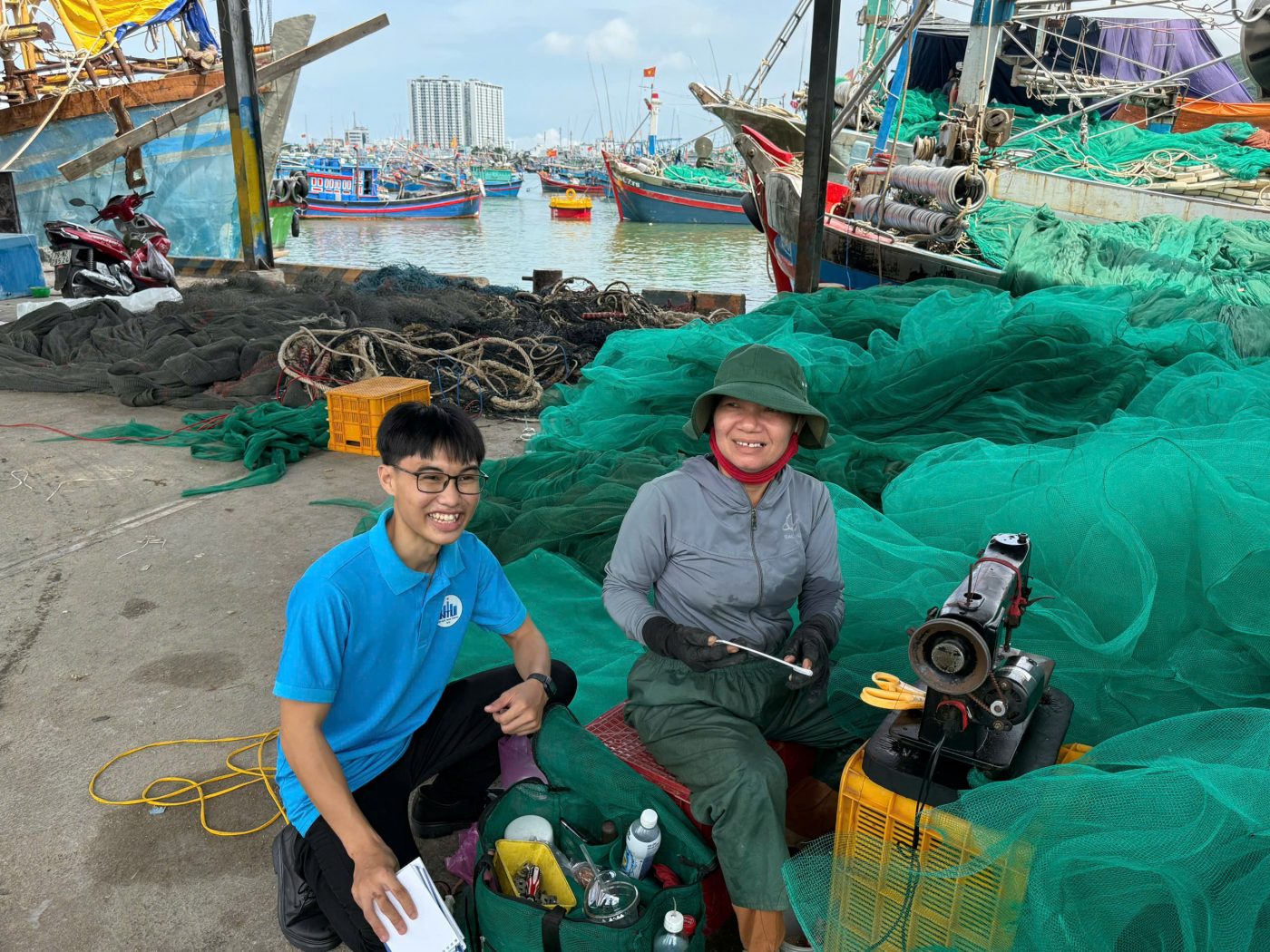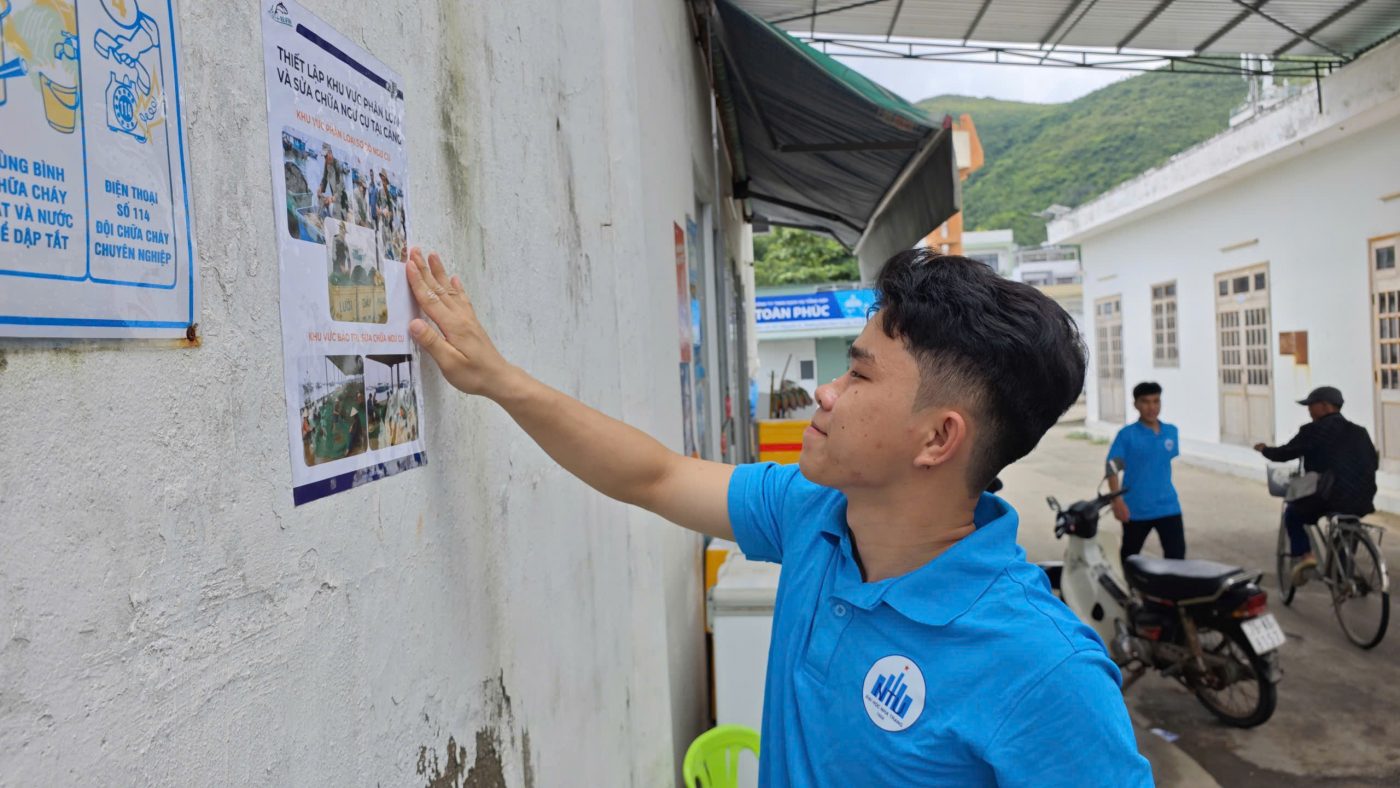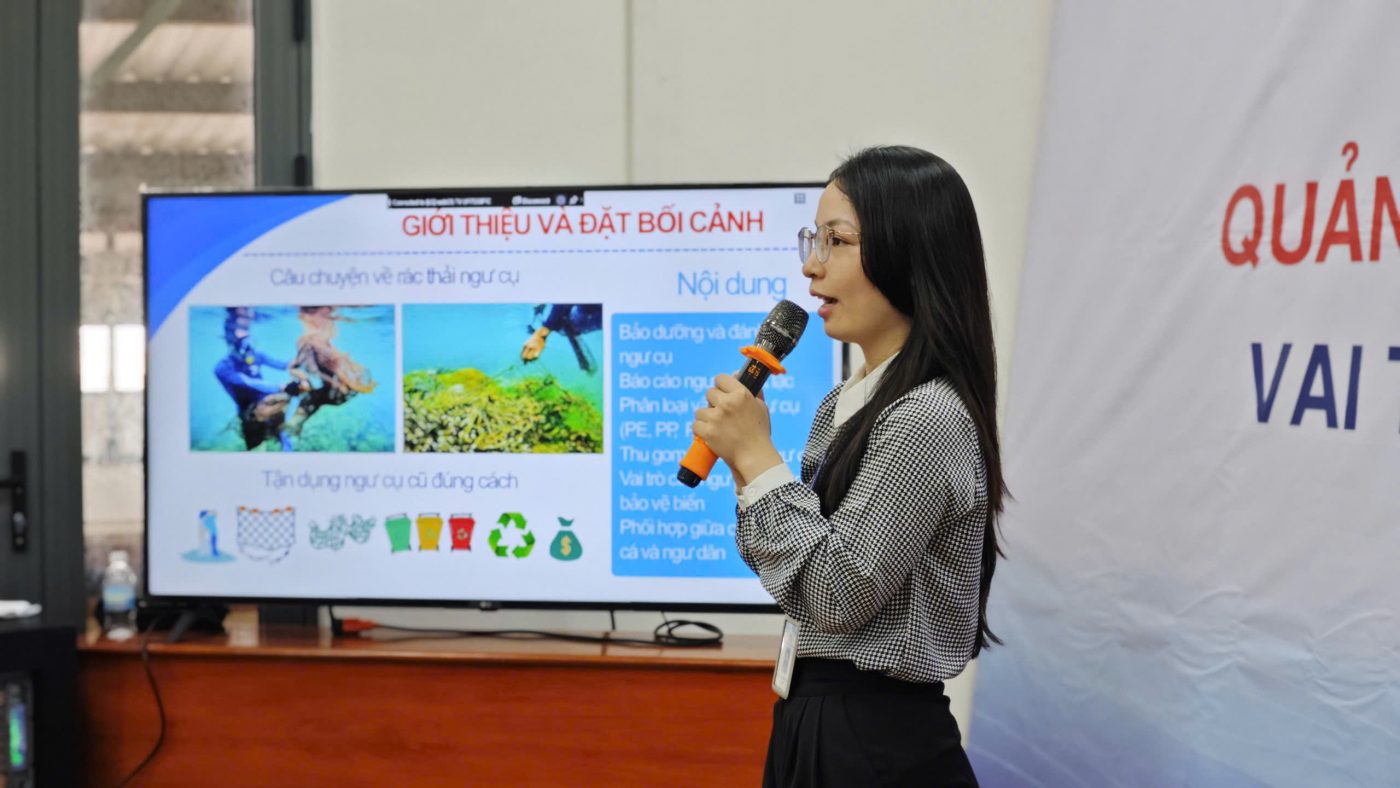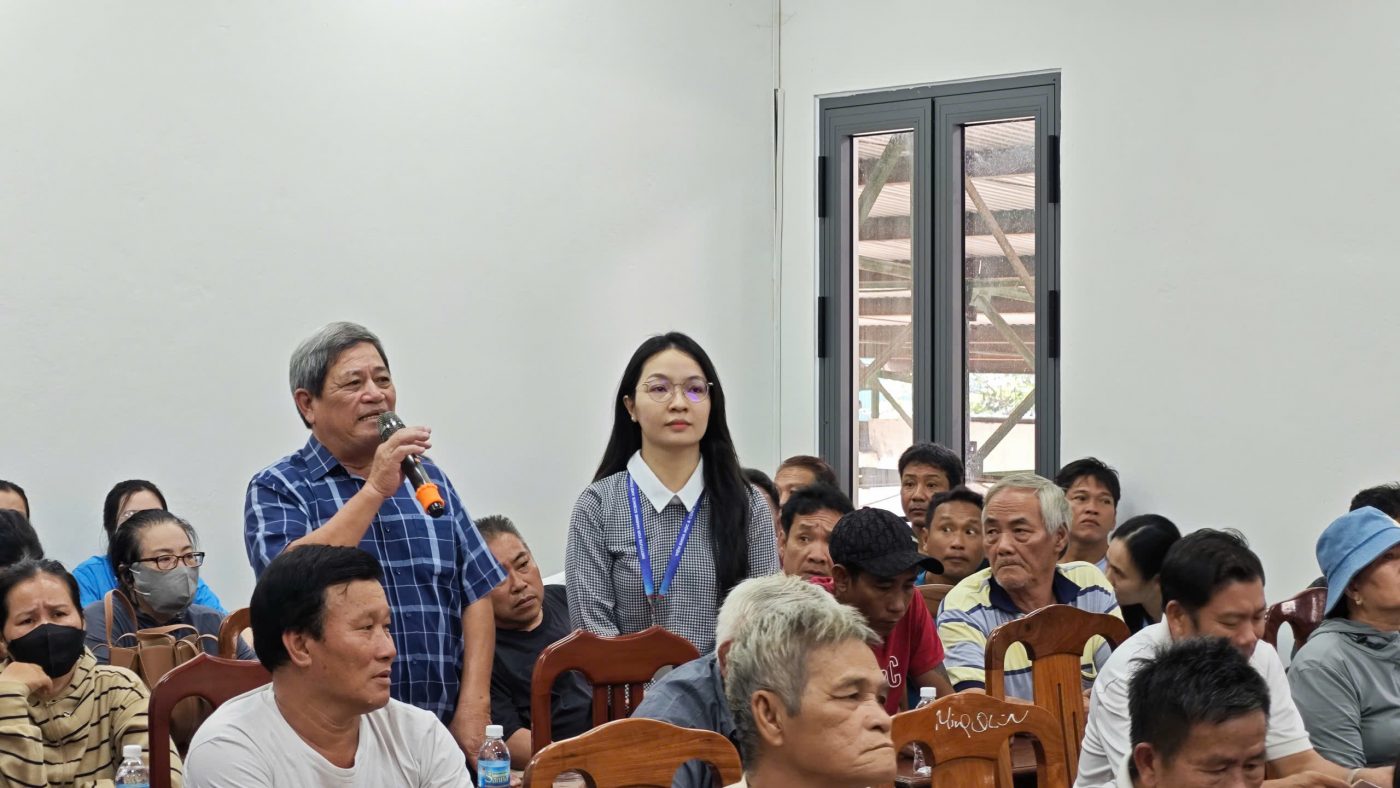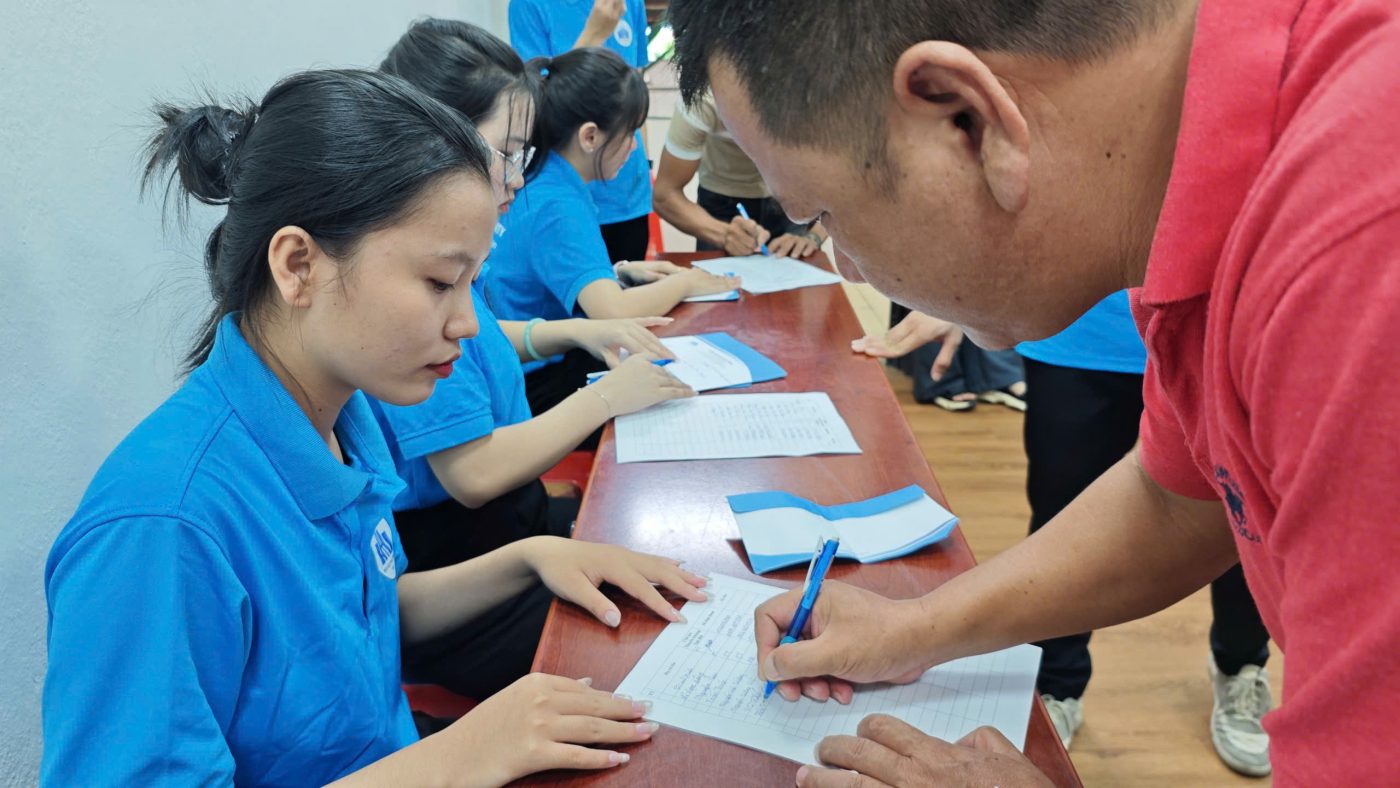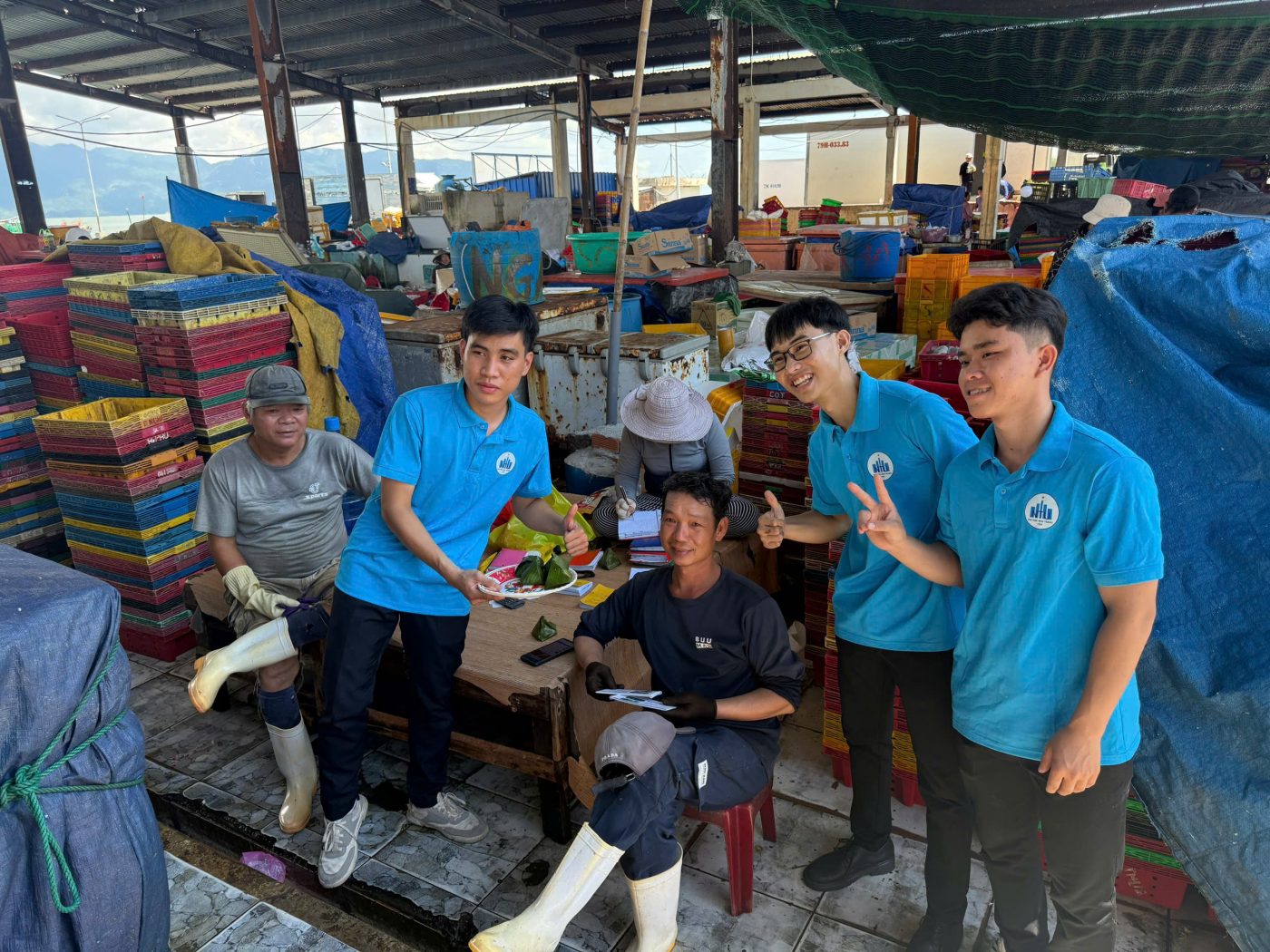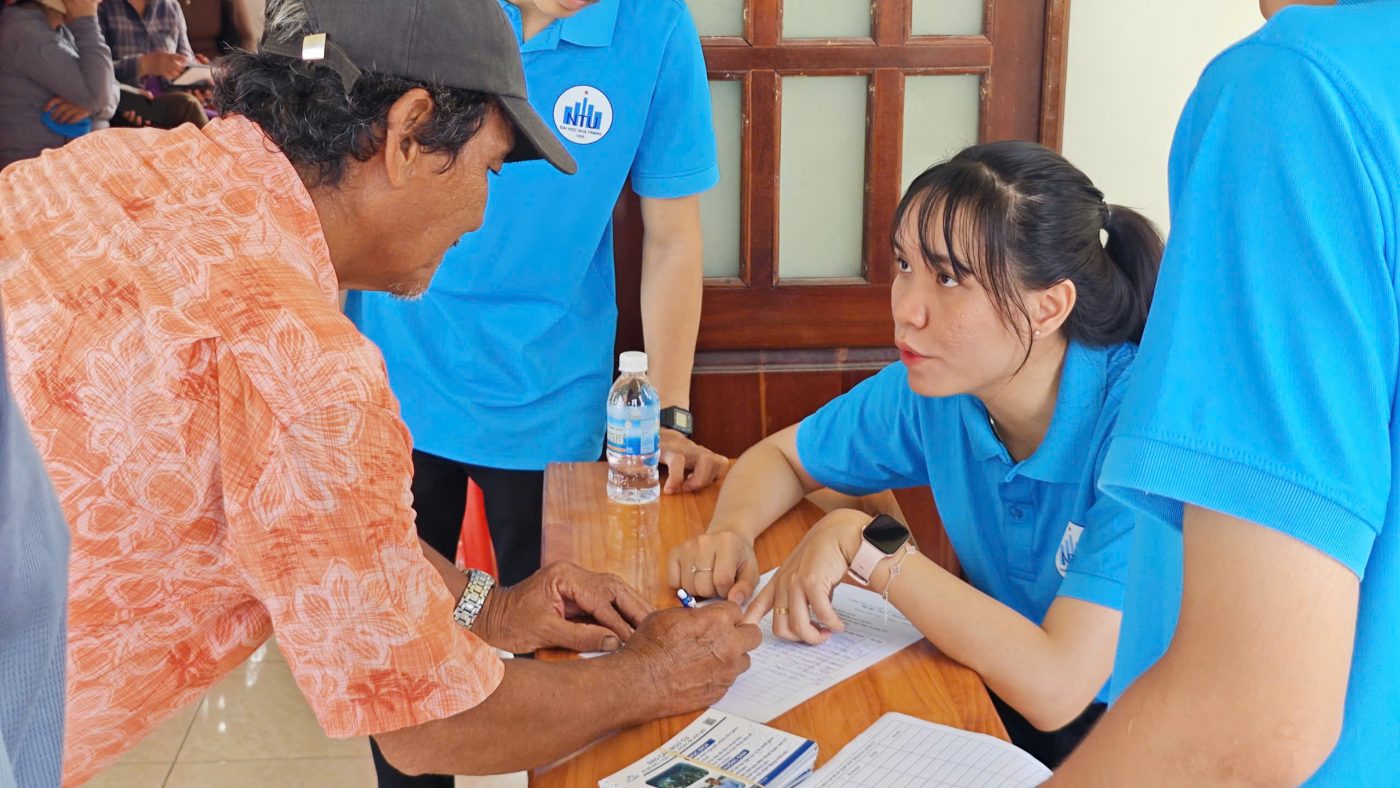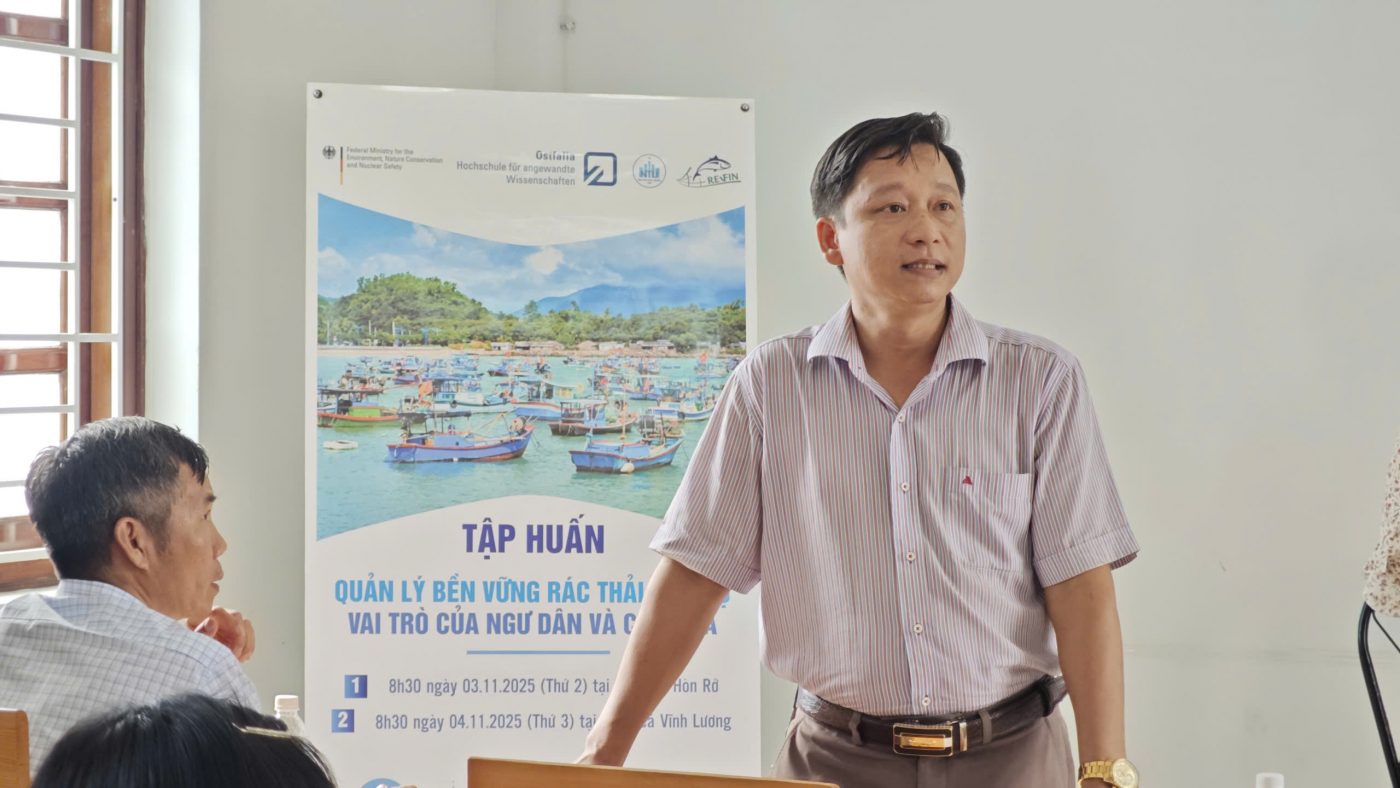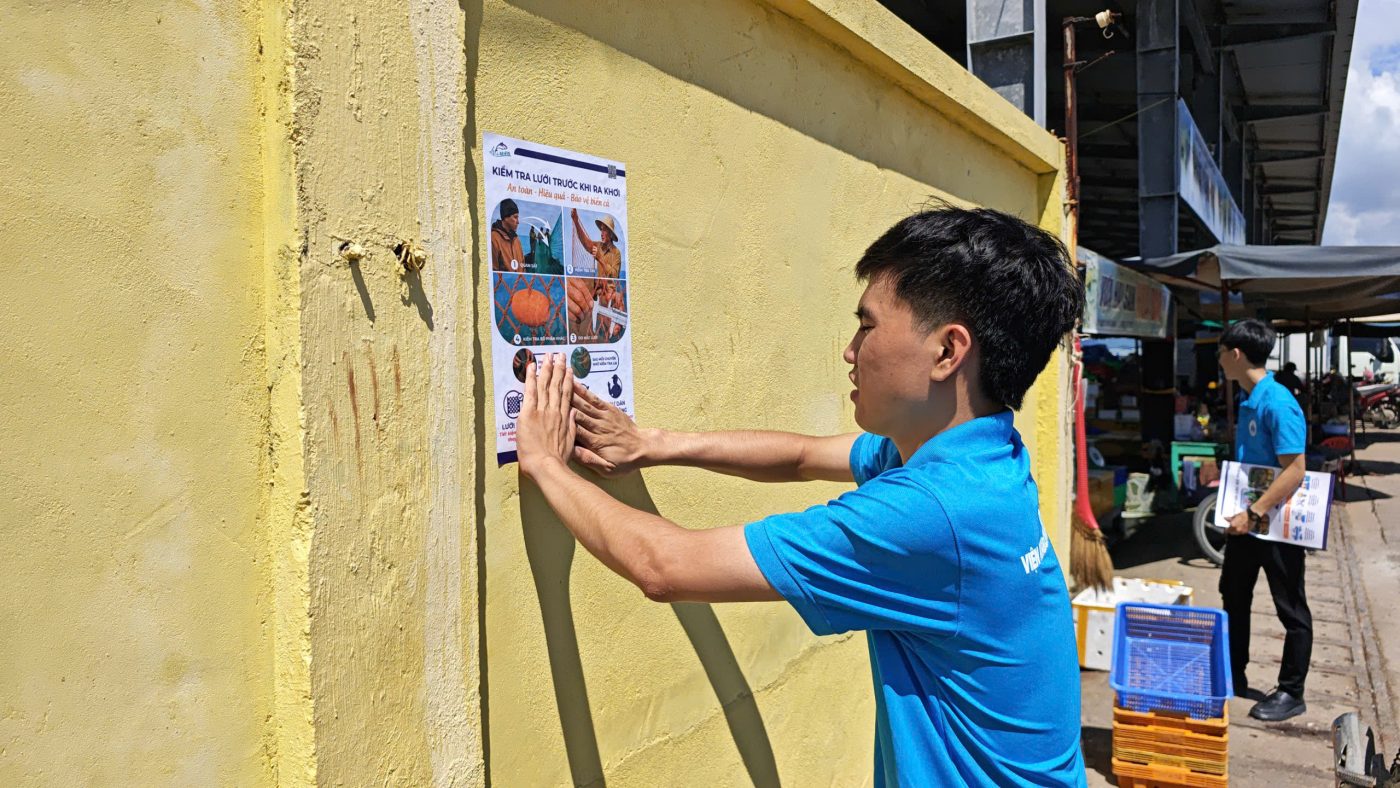
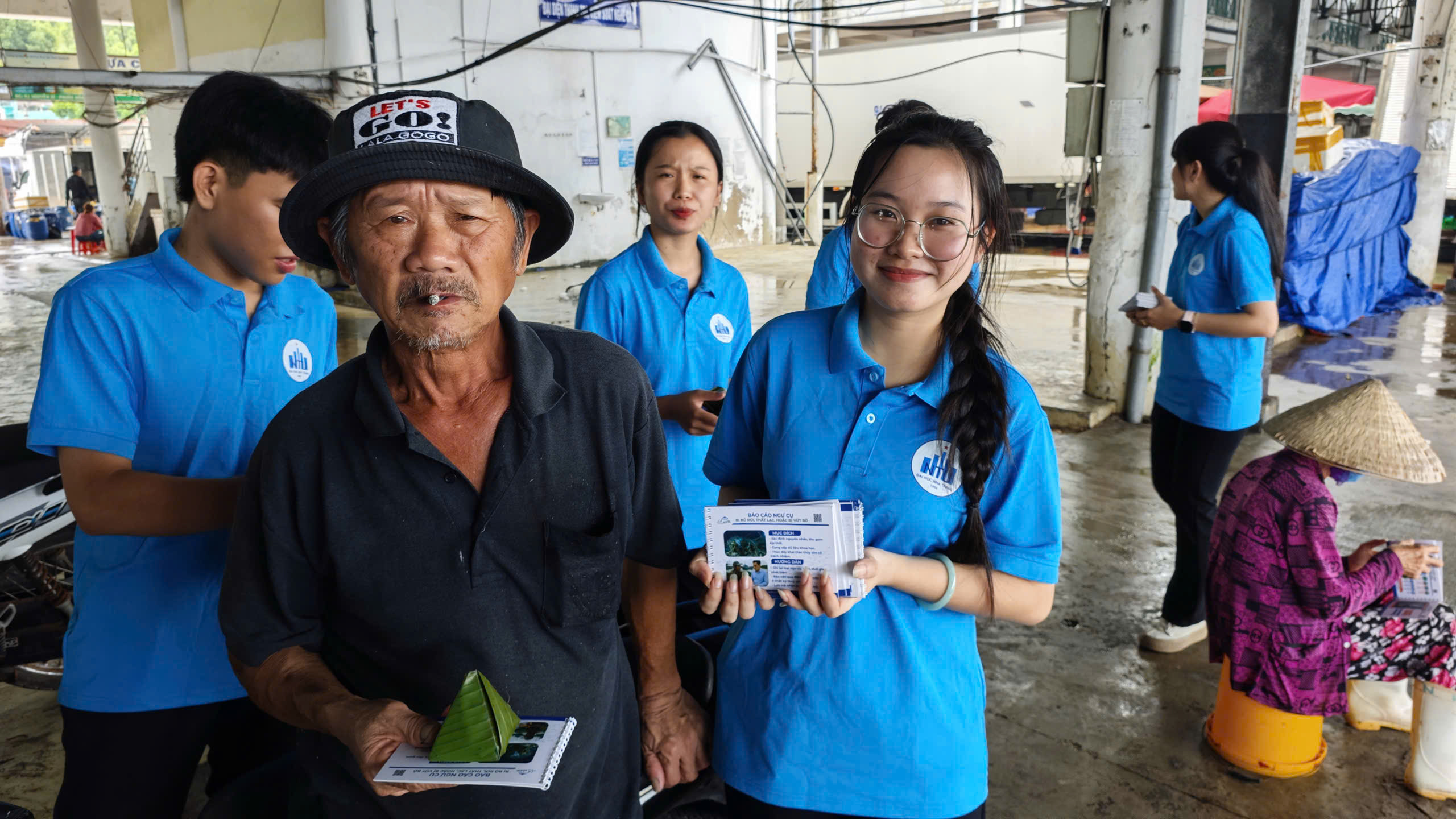
As part of the project, the partner universities NTU, HLU, and KGU have conducted a series of interactive workshops with local fishers to promote the sustainable use and management of fishing gear. These activities focused on strengthening awareness of the environmental impact of abandoned or end-of-life nets and the opportunities that arise from their responsible return and recycling.
During the workshops, participants were introduced to the Best Practice Guidelines, which were jointly developed by all project partners. These guidelines provide practical recommendations and step-by-step procedures to help fishers plan and organize their gear use more sustainably. A key aspect is to return nets before they reach the end of their lifespan, making it possible to integrate them into an effective recycling process rather than losing them to the marine environment.
The guidelines also describe how to establish organizational routines onboard and in port facilities that support the collection, separation, and sorting of different types of fishing gear, including nets made from PP, PE, and PA6, as well as other plastic components. They offer simple methods for identifying materials and for testing the mechanical condition and strength of nets to determine when recycling is the most appropriate option.
By combining scientific expertise with hands-on experience from the fishing communities, the universities and project partners aim to create a practical framework that enables circular use of fishing gear. This not only helps reduce marine litter but also contributes to a more resource-efficient and sustainable fisheries sector.